Most people would rather escape the snow and head to Florida, where they can enjoy amazing food, perfect weather, and twinkling city lights. With all of that said, after months of sitting unused, your RV needs more than a simple rev of the engine before it's ready to get back on the road.
Taking time to inspect primary systems, check for damage, and ensure that everything is working properly can help prevent unexpected problems that could otherwise cut your trip short.
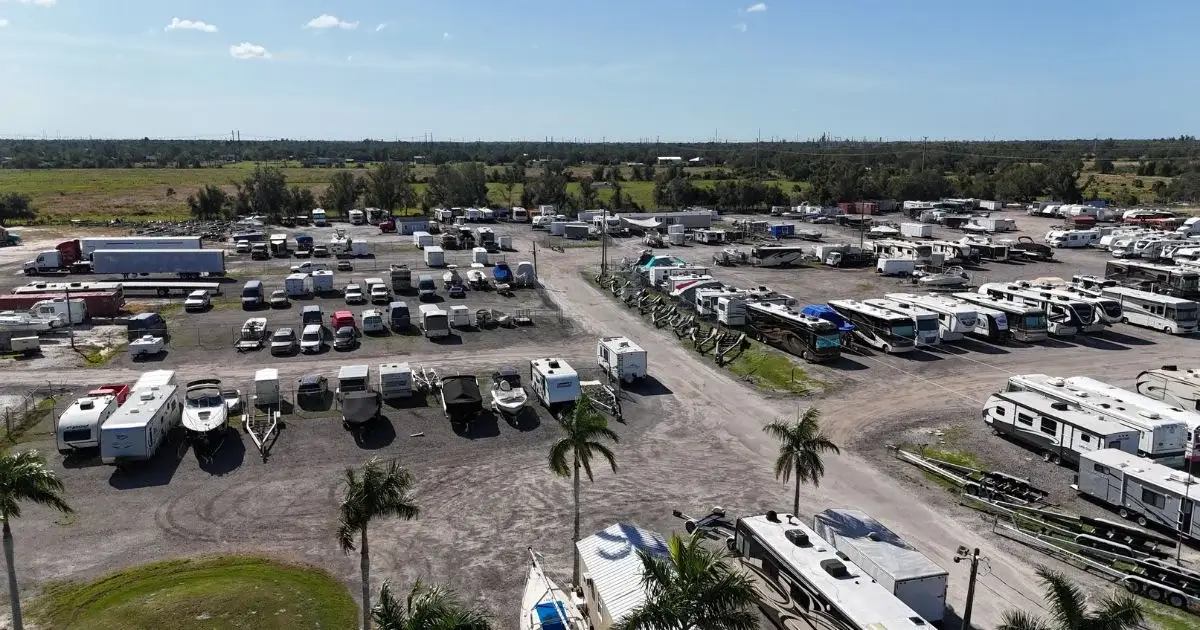
Getaway RV & Boat Storage has everything you need to store your vehicle until you're ready to bring it out next season. We understand that convenience is essential to the snowbird lifestyle; with 24-hour access, secure gated facilities, and locations near primary roads in Southwest Florida, RV owners have more flexibility to retrieve their vehicles on their own schedule.
Before you pull your RV out of storage and start planning your next getaway, here are some of the most important things to check.
Start With a Thorough Exterior Inspection
When you leave an RV in storage for several months, one of the first things you need to do is walk around the vehicle and inspect it before you try to start it up and move it.
Look for anything that looks different from you originally stored your vehicle. This includes checking the roof, sidewalls, windows, doors, storage components, and exterior seals.
Pay particular attention to cracks, gaps, loose sealant or signs of water intrusion.
Small issues become big issues when you ignore them. For example, a damaged seal can let moisture seep into an RV and potentially cause interior damage.
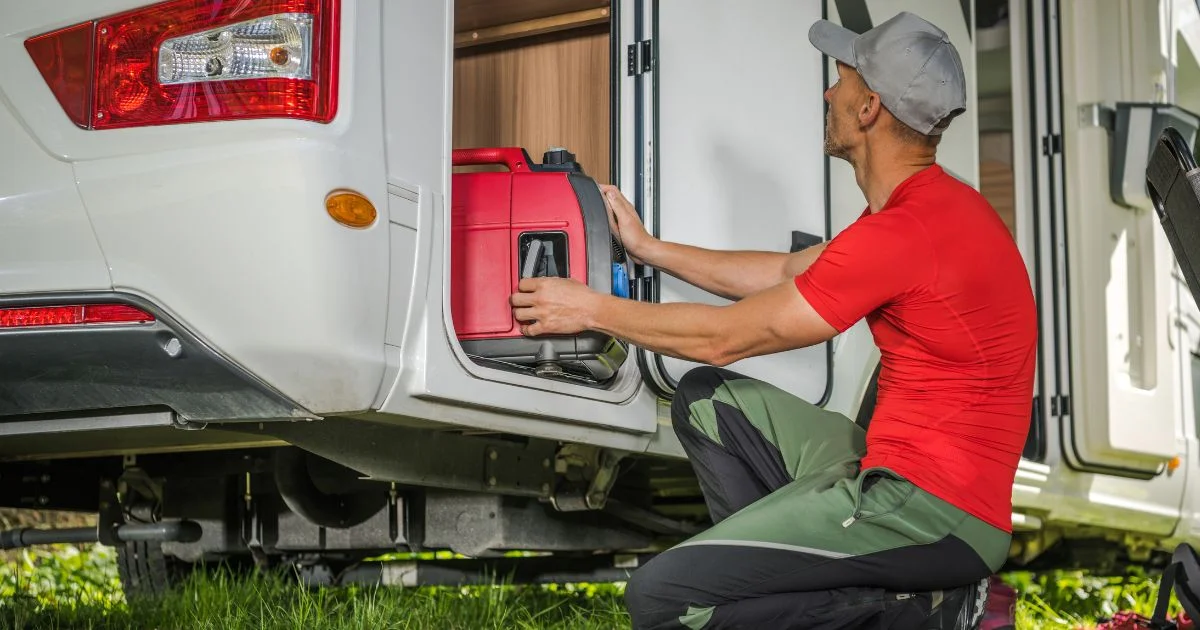
It also never hurts to look underneath the vehicle itself. Look for anything that seems rusted or out of place, including damaged components, leaks, or signs that animals or insects have gotten into areas of the RV that they obviously shouldn't be. A flashlight can make the inspection much easier, especially when checking underneath cabinets, around mechanical components, and inside storage compartments.
Check the Tires Before You Drive Anywhere
Your ...
—
September 5th, 2026