First Launch: Taking Your Boat Out of Storage in Florida
—
February 2nd, 2026
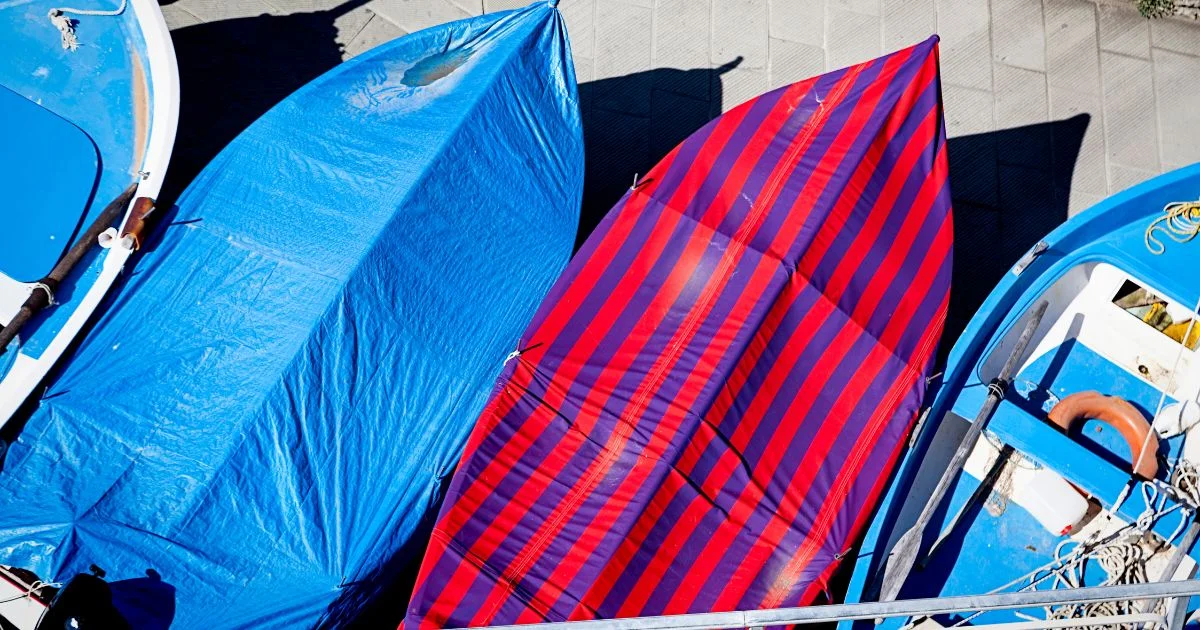
You haven't seen your boat since November. That's five months of afternoon thunderstorms, salt-laden Gulf breezes, and Florida heat working on every seal, bearing, and fuel line. The boat looks fine sitting in storage—clean cover, straight on the trailer, positioned exactly where you left it back when the weather turned warm.
Then you pull the cover back. Water pooled in three spots. Spider webs stretch between the console and seats. The battery terminals show white corrosion, you don't remember from last season. You turn the key hoping for that familiar engine rumble. Click. Nothing.
Taking your boat out of storage in Florida means facing what five months of humidity, heat, and idle time did. The boats that launch smoothly aren't lucky. They belong to owners who understood that Florida storage creates specific problems that require specific preparation before you ever hook up the trailer.
This scene repeats across Southwest Florida every spring when snowbirds return, and weekend warriors decide it's finally time to get back on the water.
What Florida Does to Stored Boats
Boats stored in northern climates face freeze damage and ice problems. Florida presents entirely different complications that catch transplants off guard. Our constant humidity never stops working on seals, gaskets, and electrical connections.
Heat accelerates fuel degradation faster than cooler climates, while afternoon storms create condensation cycles that northern boats rarely experience.
Salt air reaches surprisingly far inland in Southwest Florida. Boats stored in Lakewood Ranch, miles from the coast, still face corrosion from salt-laden Gulf breezes. This persistent exposure continues even when your boat sits covered in quality boat storage in Florida.
Wildlife treats stored boats as protected habitat year-round. Wasps build nests in air intakes and vent openings, while spiders establish themselves throughout engine compartments. Even rodents occasionally make homes in boats they can access, especially during cooler winter months when they actively seek shelter from temperature changes.
The combination hits hardest during extended storage periods. Snowbirds leaving boats stored May through November face maximum exposure to Florida's toughest conditions.
Your storage environment—whether marina wet slip or dry land lot—changes which of these forces hit hardest, but all stored boats face degradation. Even weekend warriors storing boats between trips deal with these same forces in compressed timeframes.
The duration of storage determines problem severity, but the fundamental challenges remain consistent. A boat stored for two weeks faces the same environmental forces as one stored for six months—just with less time for degradation to accumulate.
Understanding this helps explain why pre-launch inspection procedures should remain thorough regardless of storage duration.
The Pre-Launch Inspection That Prevents Problems
Walk the boat before you even think about the launch ramp. This visual inspection catches obvious issues while you're still at the storage facility with time to address them.
Start with the hull, looking for new cracks or stress marks that weren't there before storage. Florida's heat can worsen existing damage, and catching problems now prevents water intrusion later. Check the rub rail for separation or damage. Inspect through-hull fittings for corrosion or loosening.
Move to the trailer. Check tire pressure and look for sidewall cracking from UV exposure. Examine wheel bearings for rust or excessive play. Test trailer lights before you leave the storage lot. Verify that safety chains remain secure, and the tongue jack operates smoothly.
Lift the cover and immediately check for water accumulation. Pools of water indicate either cover problems or drainage issues that need to be addressed. Standing water breeds mosquitoes and accelerates deterioration of internal components.
Look for evidence of pest activity. Spider webs in corners are normal. Wasp nests in vents or air intakes require careful removal before engine starts.
Rodent droppings or nesting materials mean you need thorough cleaning before proceeding. The U.S. Centers for Disease Control and Prevention warns that rodent-contaminated spaces require careful cleaning procedures to prevent disease transmission.
Why Half Your Fuel Problems Start Here
Fuel issues cause more launch day failures than any other single problem. Gasoline breaks down faster in heat. Ethanol in modern fuel attracts moisture from Florida's humid air. The combination creates multiple failure points.
Check fuel levels first. Tanks left partially empty allow more air space where condensation forms. Examine what's in the tank. Fuel that looks dark or smells unusual needs replacement before engine starts. Cloudy fuel indicates water contamination.
If you use a fuel stabilizer before storage, you're ahead of most boat owners. Stabilizer extends fuel life but doesn't make old fuel last forever. Gas over six months old typically needs replacement regardless of additives used.
Prime the fuel system before attempting engine to start. Pumping the primer bulb until firm ensures fuel reaches the engine. This simple step prevents unnecessary strain on fuel pumps and helps identify blockages before they become problems.
For boats stored long-term, consider having fuel filters changed before launching. Degraded fuel leaves deposits that clog filter. Starting with fresh filters, ensure clean fuel reaches the engine from the first start.
Battery Assessment and Electrical Systems
Batteries don't age gracefully in Florida for storage. Heat accelerates internal degradation. Humidity promotes terminal corrosion. Even batteries removed for separate storage need assessment before reinstallation.
Start with a voltage test. Fully charged marine batteries should read 12.6 volts or higher. Readings below 11.7 volts indicate discharge. Batteries that won't hold charge need replacement before you rely on them at the boat ramp.
Clean battery terminals thoroughly before installation. White or green corrosion prevents proper electrical connection. Use a wire brush or battery terminal cleaner. Apply corrosion preventative spray after cleaning to slow future buildup.
Test all electrical systems at the storage facility before launching. Navigation lights, bilge pumps, and electronics should function properly. Discovering dead systems at the ramp wastes time and creates frustration. Finding them at storage gives you options for quick fixes or professional service.
Check bilge pumps specifically by adding water to the bilge. Pumps that haven't run in months sometimes seize or lose prime. Better to discover pump problems in storage than after launching when water infiltration becomes serious.
Don't Just Turn the Key
Your engine sat for weeks or months. Proper starting procedures make the difference between smooth operation and expensive repairs.
Begin by checking engine oil level. Oil naturally settles during storage. Low oil combined with first-start friction creates unnecessary wear. Top off if needed before starting.
Inspect belts and hoses for cracking or deterioration. Florida's heat ages rubber components faster than moderate climates. A belt that looked fine at storage might show stress after months of heat cycles.
Remove spark plug wires and rotate the engine manually if it's been stored for over three months. This distributes oil and checks for internal seizure before applying starter load. Outboards can be rotated by hand. Inboards typically need the starter to engage briefly with plugs removed.
When ready to start, don't just crank continuously. Turn the key for 3-5 seconds. Wait. Try it again. Continuous cranking drains batteries and can damage starters. If the engine doesn't start after three attempts, troubleshoot before continuing.
Once running, let the engine reach its operating temperature. Watch gauges carefully. Oil pressure should be built immediately. Temperatures should rise steadily. Any unusual readings or sounds warrant investigation before proceeding to launch.
For comprehensive storage preparation that prevents these issues, our guide on how to best protect your boat or RV in outdoor storage in Florida covers prevention strategies that make launch day easier.
Hull and Running Gear Inspection
Bottom paint and running gear need attention after storage, even for boats kept on trailers. Florida's environment works constantly, even when boats sit out of water.
Inspect the hull bottom for growth or deterioration. Boats stored outdoors accumulate mold and algae even on dry surfaces. This growth doesn't affect performance immediately but indicates moisture retention that accelerates other problems.
Check the propeller for damage or fishing lines wrapped around the shaft. Remove any debris before launch. A propeller strike that seemed minor before storage can worsen as paint and metal corrode.
Examine the lower unit on outboards. Oil that appears milky indicates water intrusion that happened during storage. This problem needs professional attention before launching. Continuing operation with water in the gearcase causes bearing failure and expensive repairs.
Test steering before launch. Turn the wheel through full range. Cables should move smoothly without binding. Hydraulic steering should respond immediately without lag. Steering problems are easier to diagnose on the trailer than after launching.
Your Smooth Launch Starts at Storage
The boats that launch smoothly share one characteristic. Their owners understand that launch preparation begins at storage, not at the boat ramp. The months between storage and launch create opportunities for problems to develop. Your attention during this period determines launch day success.
At Getaway RV & Boat Storage, our facilities in Lakewood Ranch and Punta Gorda provide the environment boats need during storage periods. Our unsurfaced lots offer proper drainage that prevents standing water issues. Our 24-hour access lets you check on your boat whenever concerns arise, not just during business hours.
Florida boat ownership requires adapting to our unique climate challenges. The same heat and humidity that make year-round boating possible also create storage complications. Success comes from understanding these challenges and preparing accordingly.
Ready to store your boat properly for next season? Contact us today to see how proper storage facilities make launch preparation easier and more predictable.
Gateway Storage Blog
Categories