
Ready to Roll? Taking Your RV Out of Storage in Florida
—
January 1st, 2026
Your RV's been tucked away during the off-season, and now it's time to hit the road again. But pulling out of storage isn't as simple as turning the key and driving off. Florida's climate—intense heat, humidity, and occasional storms—can affect your rig in ways that northern storage never does.
Skip the proper de-storage steps, and you might find yourself dealing with dead batteries, flat-spotted tires, or worse—water damage you didn't catch in time.
Let's walk through what needs to happen before you back out of that storage spot.
Start with the Exterior Walk-Around
Before you even think about cranking the engine, walk completely around your RV. Look for anything that seems off.
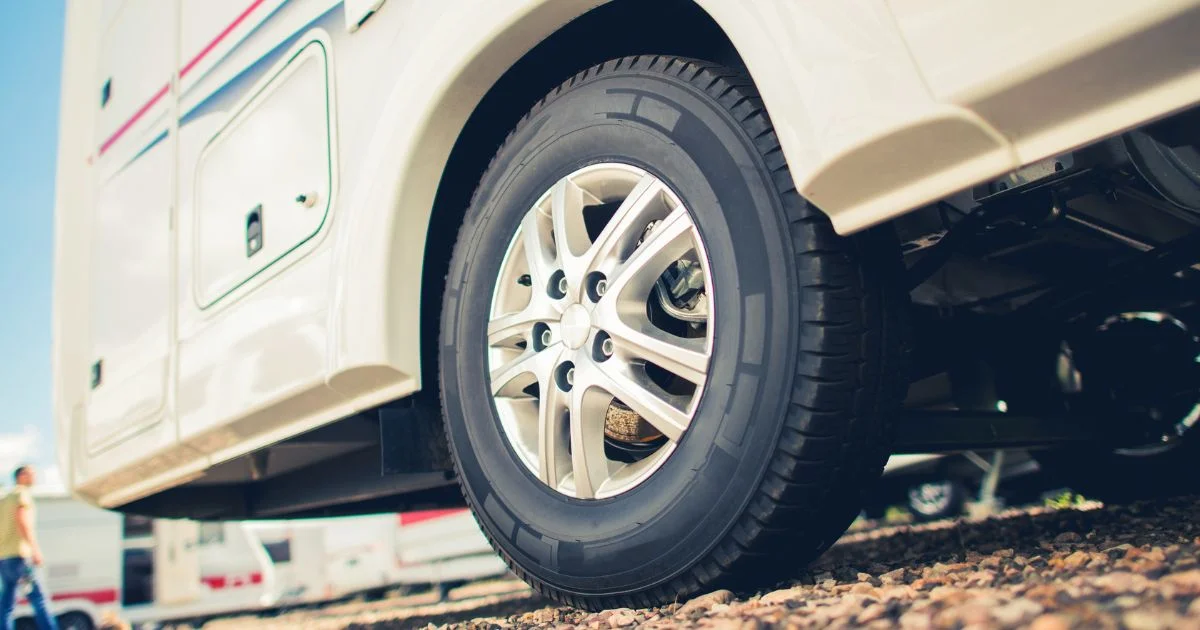
Check your tires first. Flat spots develop when RVs sit in one position for months, especially on hot Florida pavement. Look for cracks in the sidewalls; UV damage shows small spiderweb patterns. If you stored your rig on tire covers, remove them and inspect them carefully.
Examine all seals around windows, doors, and roof vents. Florida's sun breaks down rubber faster than you'd think. Run your finger along each seal. If it feels brittle or shows cracks, add it to your repair list before water finds its way inside.
Look at your awning and any slide-out mechanisms. Debris accumulates in these areas during storage. Clear out leaves, palm fronds, and whatever else has collected. These spots hold moisture, which leads to mold and rust.
Check underneath for signs of animal activity. Rodents love the shelter an RV provides, and they can chew through wiring and insulation surprisingly fast. Look for nests, droppings, or chewed materials around wheel wells and access panels.
Power Up the Electrical Systems
Your battery probably isn't doing great after sitting idle. If you disconnected it for storage (which you should have), reconnect the negative terminal first, then the positive. Watch for any spark, which signals a short somewhere in your system.
Turn on your battery switch and check the charge level. If it's below 12.4 volts, it needs charging before you try starting the engine. Don't attempt to start with a weak battery; you'll just strain your starter motor.
Test all interior lights, the refrigerator, water heater, and air conditioning. Run each system through a complete cycle. This is about catching electrical problems while you're still at the storage facility, not 50 miles down I-75.
Check your propane system carefully. Open a window first, then turn on the propane at the tank. Listen for any hissing that indicates a leak. Use soapy water on connections—bubbles mean you've got a problem that needs fixing before you use any propane appliances.
Inspect the Plumbing System
Florida storage creates unique plumbing challenges. Even if you properly winterize, issues can develop.
Start by checking all water lines for cracks or loose connections. Florida's heat cycles can cause fittings to loosen. Turn on your water pump (don't hook up to city water yet) and listen to unusual sounds. A struggling pump might signal a clog or leak somewhere in the system.
Open each faucet one at a time. Start with cold water, then switch to hot. Watch for sputtering, which indicates air in the lines—that's normal. Watch for leaks at the faucet base and around connections under sinks.
Flush your water heater before filling your fresh tank. Sediment builds up during storage, especially in Florida's hard water areas. Open the drain plug and let everything flush out. Don't skip this step; sediment reduces efficiency and can damage the heating element.
For detailed guidance on proper storage preparation that prevents these issues, check out our guide on how to prepare your RV for storage in Florida.
Check Your Towing Vehicle Connection
Even if you're driving a motorhome, electrical connections sit exposed during storage. For travel trailers and fifth wheels, this becomes critical.
Inspect the seven-pin connector on both your RV and tow vehicle. Look for corrosion, which Florida humidity loves to create. Use an electrical contact cleaner on the pins; don't just wipe them with a rag.
Test every function: brake lights, turn signals, running lights, and brake controller. Have someone watch while you operate each one. A light that works intermittently is worse than one that's completely dead—at least you'd notice the dead one.
Check your breakaway switch cable and battery. This safety feature activates your trailer brakes if it separates from your tow vehicle. The battery should hold a charge even after storage. Test it with a multimeter; it should read at least 12.5 volts.
Grease all moving parts on your hitch system: the coupler, stabilizer jacks, and any slide mechanisms. Florida's salt air accelerates corrosion on these components, especially if you stored near the coast.
Test Your Safety Equipment
Your smoke detectors and carbon monoxide alarms might have been sitting for months. Test each one—don't assume they're still working.
Replace smoke detector batteries regardless of how long your RV sat in storage. It's cheap insurance. Carbon monoxide detectors have a limited lifespan (usually 5-7 years), so check the manufacture date and replace if needed.
Verify that your fire extinguisher is fully charged. Check the pressure gauge and give it a shake. If it's been more than five years since your last inspection, take it to a fire equipment service center.
Make sure your emergency exit windows open freely. Test the latch mechanisms; they can seize up during extended storage periods, especially in humid conditions.
Address Interior Issues
Open all cabinets, closets, and storage compartments. Smell carefully for mildew. Florida humidity sneaks into every space, and even small amounts of trapped moisture create mold problems.
If you used moisture absorbers during storage, check them now. Most are saturated after a Florida summer and need replacing before you use the RV again.
Run your air conditioning at full blast for at least 30 minutes. This does two things: it tests the system under load, and it helps dry out any lingering interior moisture. While it's running, check all vents for proper airflow.
Inspect all cushions and mattresses for mold or mildew. Florida's climate is brutal on upholstery. If you catch a musty smell, treat it now rather than letting it permeate everything you own.
For insights on what to watch for during storage that prevents these problems, our article on common RV storage mistakes to avoid in Florida covers the key issues.
Engine and Mechanical Systems
If your RV's engine has been sitting idle, it needs attention before you drive it.
Check all fluid levels: engine oil, coolant, brake fluid, power steering fluid, and transmission fluid. Look at the condition of each fluid, not just the level. Dark, contaminated oil needs to change before you drive anywhere.
Inspect belts and hoses for cracks or soft spots. Squeeze each hose; it should feel firm, not mushy. Look at drive belts for glazing or fraying. These rubber components deteriorate faster in Florida's heat, even when not in use.
If your rig has been stored for more than three months, consider changing the oil before you drive it. Used oil contains acids that accelerate corrosion during storage periods. Fresh oil provides better protection as you return to regular use.
Start the engine and let it idle while you check for leaks or unusual sounds. Don't just fire it up and immediately take off. Give it time to circulate oil through the system. Watch your gauges; oil pressure should come up quickly, and temperature should rise gradually.
The Test Drive (Not Optional)
Don't wait until you're loaded up and heading out for a big trip to discover problems. Take a short test drive right from the storage facility.
Start in an empty area of the lot. Test your brakes at a slow speed first. They might feel soft initially as brake fluid redistributes through the system. If they don't firm up after a few applications, you've got a problem that needs immediate attention.
Drive on local roads before getting on the highway. Listen for any unusual noises: grinding, squeaking, or rumbling sounds all indicate issues that developed during storage. Pay attention to steering response. If it feels loose or vague, check your steering components before going further.
Test your acceleration and transmission shifting. A transmission that hesitates or shifts roughly might need service. Check your mirrors frequently, make sure nothing's working loose as you drive.
Final Storage Facility Tasks
Before you leave the storage facility, make sure you haven't left anything behind. Check around your storage space for wheel chocks, electrical cords, or covers you removed during your inspection.
If you're planning to return to the same facility, talk to management about any issues you noticed during storage. Good facilities want to know about drainage problems, pest issues, or security concerns. If you had a positive experience, that's worth mentioning too.
At Getaway RV & Boat Storage, our facilities in Lakewood Ranch and Punta Gorda are designed to minimize the problems that develop during Florida storage. Our 24/7 access means you can retrieve your RV on your schedule, not ours. And our month-to-month agreements give you flexibility as your travel plans change throughout the year.
Don't Rush the Process
De-storage takes time, and it’s worth doing carefully. Plan for at least two hours when everything goes smoothly. If you discover a problem, it’s far better to deal with it now than on the shoulder of I-75 or after you’ve already arrived at your destination.
Most issues that appear during de-storage are minor if you catch them early. Batteries can be replaced. Tires can be inflated. Loose connections can be tightened. When these things are ignored, they tend to multiply quickly in Florida’s heat and humidity.
Your RV stayed protected through whatever weather rolled through while it was in storage. Now it needs a thorough check to make sure it’s ready for the season ahead. Take your time. A careful start sets you up for reliable travel all winter.
If you want storage that keeps your RV protected and makes this process easier, our team is ready to help.
Gateway Storage Blog
Categories