What Every Snowbird Should Check Before Taking The RV Out of Storage
What Every Snowbird Should Check Before Taking The RV Out of Storage
—
September 5th, 2026
Most people would rather escape the snow and head to Florida, where they can enjoy amazing food, perfect weather, and twinkling city lights. With all of that said, after months of sitting unused, your RV needs more than a simple rev of the engine before it's ready to get back on the road.
Taking time to inspect primary systems, check for damage, and ensure that everything is working properly can help prevent unexpected problems that could otherwise cut your trip short.
Getaway RV & Boat Storage has everything you need to store your vehicle until you're ready to bring it out next season. We understand that convenience is essential to the snowbird lifestyle; with 24-hour access, secure gated facilities, and locations near primary roads in Southwest Florida, RV owners have more flexibility to retrieve their vehicles on their own schedule.
Before you pull your RV out of storage and start planning your next getaway, here are some of the most important things to check.
Start With a Thorough Exterior Inspection
When you leave an RV in storage for several months, one of the first things you need to do is walk around the vehicle and inspect it before you try to start it up and move it.
Look for anything that looks different from you originally stored your vehicle. This includes checking the roof, sidewalls, windows, doors, storage components, and exterior seals.
Pay particular attention to cracks, gaps, loose sealant or signs of water intrusion.
Small issues become big issues when you ignore them. For example, a damaged seal can let moisture seep into an RV and potentially cause interior damage.
It also never hurts to look underneath the vehicle itself. Look for anything that seems rusted or out of place, including damaged components, leaks, or signs that animals or insects have gotten into areas of the RV that they obviously shouldn't be. A flashlight can make the inspection much easier, especially when checking underneath cabinets, around mechanical components, and inside storage compartments.
Check the Tires Before You Drive Anywhere
Your RV's tires deserve particular attention after they've been left for an extended period.
You should 100% check the pressure of every tire, including the spare (if you have one). Tires can lose pressure as they sit for an extended period of time, and incorrect inflation can have a significant impact on handling, wear, and overall driving safety.
You should also check tire pressure before taking an RV out of storage and adjust it according to the manufacturer's recommendations. While you're checking tire pressure, look for visible cracks, bulges, unusual wear, or other signs of deterioration.
With that said, you shouldn't rely solely on how your RV's tires look. If you're concerned about the tires' age or condition, it's time to consult your owner's manual, tire manufacturer, or a qualified professional. It's much easier to identify a tire problem while your RV is still parked at the storage facility than after you have already started your trip.
Reconnect and Test the Battery
A battery that's been sitting for several months needs to be checked before you expect it to power your RV. There are no two ways about it. If you have removed your batteries for storage, make sure they're properly reinstalled and connected. Otherwise, watch for loose connections, corrosion, and other visible battery problems.
If left uncharged for several months, RV batteries can lose approximately 10% of their power. After reconnecting and fully charging the battery, it's essential to test the lights, interior electronics and other electrical systems. If something isn't working as you anticipated, it's best to look into it before you take the vehicle from the storage facility.
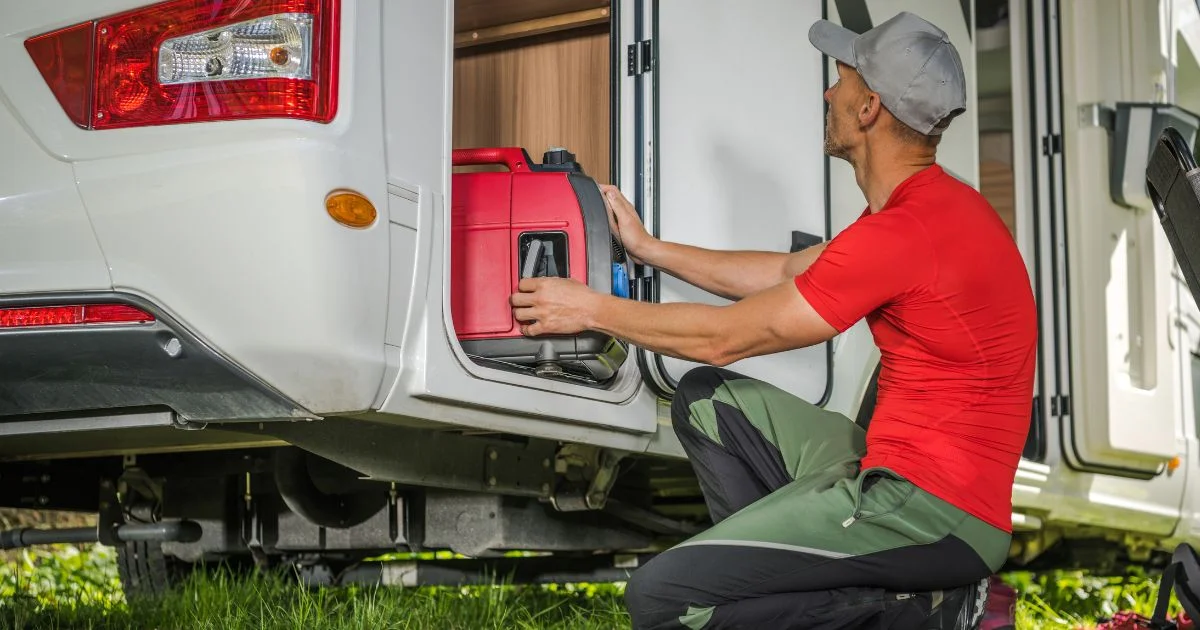
This is also a good opportunity to check your generator if your RV is equipped with one and follow the manufacturer's recommendations for bringing it back into service.
De-Winterize the Water System
If you were proactive enough to winterize your RV before putting it away for the season, you still have to reverse that process before you can utilize the plumbing system. This can involve flushing the water lines, refilling the freshwater system, and checking the water heater. The exact process depends on your RV model and the method you used during winterization, so your owner's manual should be your primary reference. Once your system is ready, run water through the faucets and inspect the plumbing for leaks.
Check underneath sinks, around toilets, near the water heater and inside accessible cabinets. Check for leaks after de-winterizing by pressurizing the system and inspecting areas where plumbing connections are located.
Don't assume that everything is fine simply because water comes out of the taps. A slow leak can cause significant problems if it goes unnoticed.
Inspect the Propane System
If your RV uses propane, inspect the system before you rely on it during your first trip of the season. Check the propane cylinders, fittings, hoses, and any visible connections for obvious signs of damage. If you see anything concerning, have a qualified professional inspect it rather than trying to fix it yourself. That can be very dangerous.
You also need to keep an eye on propane-powered appliances and make sure you're testing them according to the manufacturer's manual. This can include your stove, furnace, and even the water heater. If you notice an appliance isn't operating correctly, or if you notice an unusual smell or other warning signs, stop the system before you continue.
Test the Appliances and Interior Systems
After you leave your RV for several months, it's easy to focus on the engine and forget about everything else. This means RV owners need to turn on the lights, check the outlets, refrigerator, air conditioning, heating system, and other major vehicle appliances.
This is also a good time to inspect the interior for signs of moisture, mildew or pests.
Florida's warm, humid environment can create more storage challenges than colder climates; however, Getaway Storage knows that heat, humidity, and heavy seasonal storms can affect the interior of RVs, including seals, storage compartments, and wiring.
If you notice a musty smell or visible moisture, investigate the source before setting off on your next adventure.
Check Your Brakes, Lights and Safety Equipment
Before you take your RV out of the storage facility, make sure its safety systems are actually prepared for the road. This means testing the headlights, brake lights, turn signals, and marker lights. If you also tow a trailer, check the trailer lighting and connections as well. This includes inspecting the brakes to ensure they're working properly.
Check the smoke and carbon monoxide detectors, and replace batteries as needed. Make sure your fire extinguisher is present and accessible.
These are easy things to overlook after a long storage period, but they are important parts of preparing for another season.
Don't Rush the First Trip of the Season: Trust in Getaway RV and Boat Storage
It's always exciting when Florida fully opens up for RV season, but you don't have to rush. The experience is meant to be fun, not stressful. That means spending an extra hour or two giving the vehicle a once (or twice, or thrice) over before you leave, so you can identify potential problems while they're still manageable. Start with the exterior; inspect the tires; de-winterize the water systems; and so on. Then take a short test drive before committing to a longer journey. The more you prepare your RV, the easier it is to get back to being the truest form of a snowbird; someone who can hop in their vehicle and enjoy the Florida weather.
At Getaway RV & Boat Storage, the goal is to make the time between those adventures just as convenient. With secure storage, flexible month-to-month options and 24-hour access, your RV can have a reliable home base in Southwest Florida while you plan the next getaway. Contact us today.
Gateway Storage Blog
Categories