
Where to See Mangrove Trees & Wildlife Near Boat Storage in Bradenton FL
Where to See Mangrove Trees & Wildlife Near Boat Storage in Bradenton FL
—
July 2nd, 2026
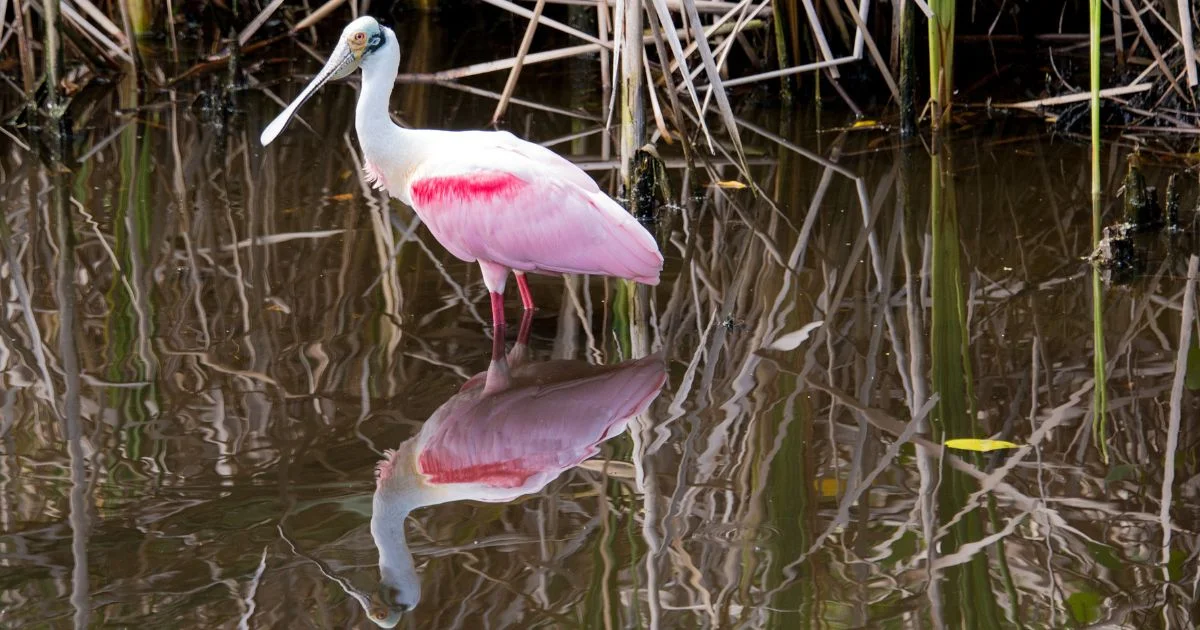
There's a stretch of morning off northwest Bradenton when the water lies flat, and the ramp is still quiet. A few boats are already working the mangrove line ahead of you, and if you've had a morning like that, you know it's the reason you bought the boat.
That's when the wildlife shows itself, a roseate spoonbill working the shallows on pink legs, a manatee rolling up and sinking again. Mullets scatter ahead of something you never quite see, and most of it happens right where the trees meet the water, which means knowing those spots is already half the morning.
The other half is having the boat ready when the light is right, and that's the quiet way boat storage in Bradenton FL decides how often you go. Line up those two things, the spots and the access, and the wildlife mostly takes care of itself.
Why the Wildlife Stacks Up Along the Mangroves
The mangroves near Bradenton aren't just scenery, and once you understand what they're doing, you start reading the shoreline differently. The roots form a submerged tangle where small fish shelter from bigger ones, and because that tangle sits at the bottom of the food chain, the herons, ospreys, and game fish all work the same stretches of shoreline.
Once you understand that the life concentrates along the edges rather than out in open water, you stop running past the best spots while you go looking for them. On a still morning you'll hear it before you see it, a redfish blowing up on bait near the roots.
Florida's Department of Environmental Protection keeps a plain inventory of what those roots protect. Florida's mangroves nurse snook, tarpon, redfish, and snapper, a list that reads like a tackle-shop wall. The same branches double as rookeries for brown pelicans and roseate spoonbills, which is why the snook fishing stays so good along the shoreline.
There's a pattern to where they grow, too: red mangroves fringe the open water on arching prop roots, while black and white species settle farther inland. Once you read that line, you can tell from the boat which edges deserve a slower pass.
Around the Manatee River Mouth
Start with Robinson Preserve, about 700 acres in northwest Bradenton between Palma Sola Bay and the Manatee River mouth. Manatee County rebuilt it from old farmland into a working snook and tarpon nursery, and NOAA's Robinson Preserve restoration recorded the result, including roughly 240,000 visitors a year.
The paddling trails inside are kayak water, narrow and shallow by design, so in a boat you'll work on the open edges instead. Dolphins and manatees move through the river's mouth on the tide, and on calm mornings the water clears enough to see what's holding under the hull.
Just west, Perico Preserve continues the same corridor, and together the two hold much of the area's birdlife. From the boat you catch the edge of it, the wading birds working the bayou mouths into the bay.
Palma Sola Bay Just below them is a small embayment opening into Anna Maria Sound. It makes a short, easy run, with wading birds on the flats at low tide and good cover when the Gulf turns sloppy. For the ramp-by-ramp version, the guide to boat storage near Bradenton and its best waterways lays out where to put in.
Back at the mouth, De Soto National Memorial protects a run of mangroves on the south shore. Ospreys, herons, and egrets work on the edge where the Manatee River empties into Tampa Bay.
Cross to Snead Island for the Quiet Water
On the west tip of Snead Island, across the river's mouth, Emerson Point Preserve sits where the Manatee River opens into Terra Ceia Bay. It's a stop on the Great Florida Birding Trail, and if you drift off the shoreline, you'll move through osprey, herons, and ibis without leaving the boat. Fishing is permitted along the river and bay edges, so plenty of locals make a morning of both.
Terra Ceia Bay, just north of the island, is its own quiet sheet of water and part of a state aquatic preserve. The mangrove islands break up the wind, so you can anchor off one, cut the engine, and the birds will forget you're there within about ten minutes.
Point the other way instead and run up the Manatee River, where the banks stay green with mangrove and oak, and the manatees push well upriver in the cooler months as they follow the warmer water inland.
The Tide Decides More Than You Think
Plan around the tide rather than the clock, and the day's work out better. A low incoming tide pushes bait onto the grass, and the birds and game fish follow it in to feed. Show up at dead high tide instead, and the water can look empty, since everything has spread into the flooded mangroves.
Weekday mornings beat weekends by a wide margin, and it isn't close. By mid-morning on a Saturday the bay fills with wakes, and the spoonbills and manatees retreat into the quieter pockets. Winter compounds it, since the snowbirds arrive in November, and every ramp from Palmetto to Cortez backs up.
Wind matters as much as tide: a west breeze chops up the open bay, so you tuck into the lee of the mangroves. On a hard south wind, Snead Island gives you a workable edge, and the fish and birds do the same thing, which is half the reason they hold there.
The owners who see the most aren't luckier; they're just on the water before the crowd arrives, while the bay is still quiet, and the bait is still moving.
Where the Boat Helps, and Where It Won't
A boat won't get you into the best mangrove tunnels, which are kayak water, too shallow and too tight. Push a powerboat in there, and you'll bend a prop on an oyster bar, and anyone who tells you otherwise has never run aground in two feet of Terra Ceia mud.
What the boat gives you is the open side of it, so you idle the shoreline, cut the engine near a mangrove point, and let the wildlife come to you, since the animals settle faster once the motor goes quiet.
Timing helps too, since in late spring the tarpon begins rolling in the passes, where they're easy to spot at first light before the wind comes up.
The dolphins are reliable enough in Terra Ceia and Anna Maria Sound to warrant a dedicated trip. The guide to the best places to see dolphins by boat covers where and when, though where exactly they surface still shifts with the tide.
What Boat Storage in Bradenton FL Changes
The wildlife rewards an early start, because in that first hour after sunrise the bay sits calm, the light stays low, and the boat traffic and heat still haven't arrived. From June through September the afternoon storms build on most days, and by the time the radar lights up, the wildlife has already pushed back into the shade.
If the boat lives in your side yard, the early start means rigging the trailer in the dark and hoping you didn't forget the plug. With 24-hour access at a storage lot, you just grab it and go, and that fifteen-minute difference is the whole reason some owners quietly stop bothering July.
The regulars working the mangrove edges launch first, a habit the hidden boat fishing spots near Lakewood Ranch piece covers. Storing the boat near where you launch turns a weekend project back into a Tuesday morning decision.
There's a quieter version of this that has nothing to do with crowds. A boat you can reach on a whim gets used, while one parked behind a season of yard projects becomes the trip you keep meaning to take.
Winter sharpens it further, since the wildlife is best when the mornings are coldest and that same cold thins the casual crowd enough that whoever launches at first light in January gets the manatee zones mostly to themselves.
Come November the Rules on the Water Change
Manatees can't tolerate water below about 68 degrees for long, so they head for warmer water once the temperature drops. From November into March, they congregate in rivers, canals, and deeper basins near the northern edge of their range. That makes the cool months prime manatee viewing, since that's when you'll find them nosing around residential canals and the warm shallows near the spring runs.
Winter also brings seasonal speed zones, and they aren't optional. FWC's manatee guidance is blunt about both halves: slow down where the signs require it and watch from a distance. Officers patrol the zones all season, and vessel strikes remain the biggest threat the animals face.
The viewing etiquette is simple, so reach for a zoom lens rather than closing the distance. Since a dodging manatee burns fuel, it needs to survive the cold. November is Manatee Awareness Month in Florida, a fair reminder that the slow zones are the reason there are still manatees to watch.
None of this works if the boat stays trapped behind a trailer hitch you only deal with on weekends, so it pays to keep it somewhere you can reach at first light. Our Lakewood Ranch location serves Bradenton-area boat owners, with month-to-month leases and 24-hour drive-up access for the dawn trips. Call to check what's open when the bay still belongs to the spoonbills.
Gateway Storage Blog
Categories